The Texas rig, done properly
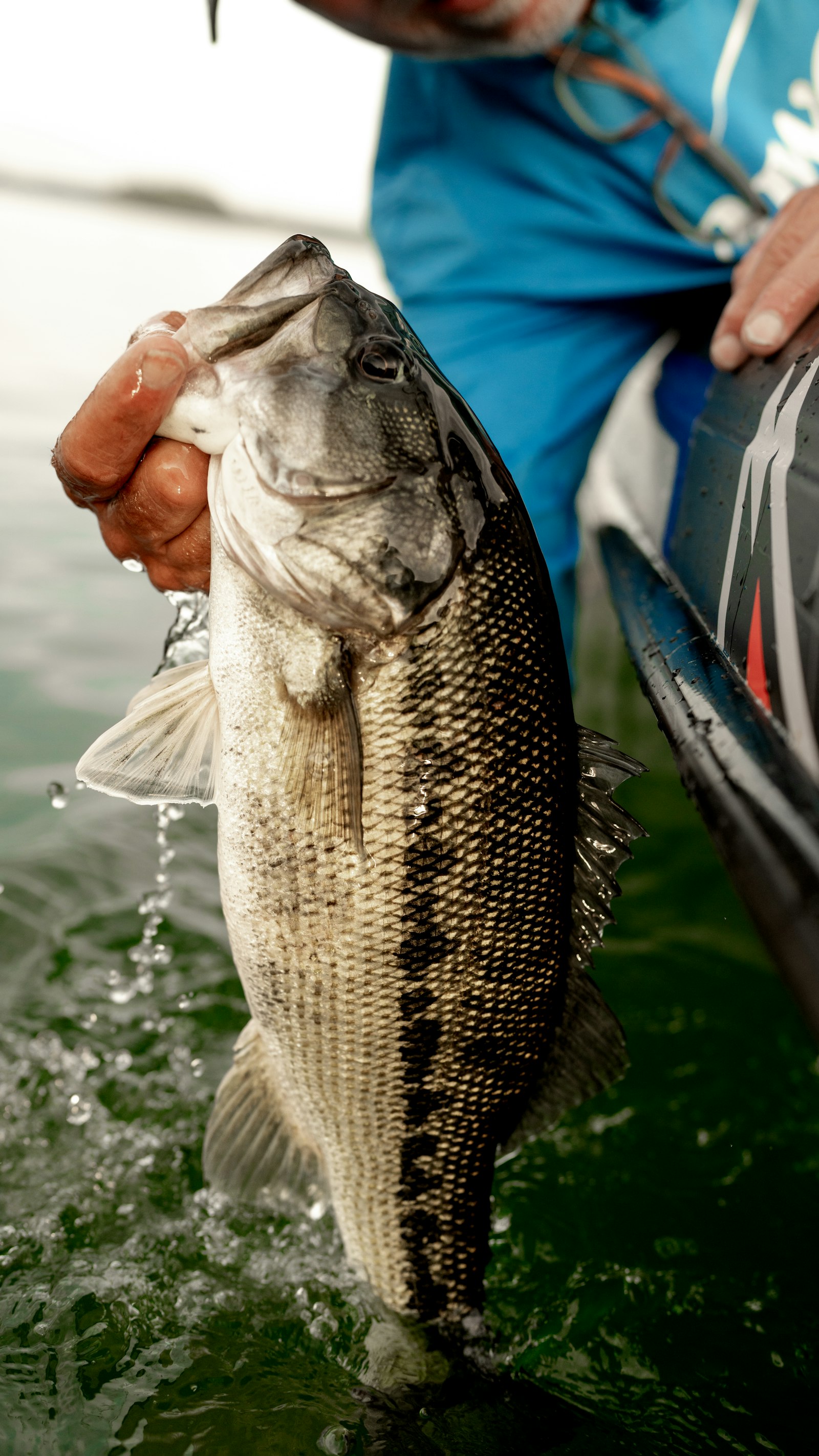
Photo by Derek Laliberte on Unsplash.
Most Texas rigs fail for one of two reasons. The worm is not straight, so it spins. Or the hook is buried so deep the fish never gets stuck. Fix those two things and this is still the most useful soft-plastic rig in freshwater.
What you need
- A 3/0 or 4/0 offset worm hook. Not a straight hook.
- A bullet weight, 1/8 oz in open water, 3/8 oz if you are punching grass.
- A 5 to 7 inch straight-tail or ribbon-tail worm. Green pumpkin covers more water than any other color.
The rig
Slide the weight on the line, point forward. Tie a Palomar knot. Push the hook point into the nose of the worm about a quarter inch, then back out so the worm sits straight on the shank. Rotate the hook and skin-hook the point back into the body. The point should be just under the plastic, not buried in the middle of it.
If the worm kinks, you entered too deep on the first pass. Start over. A kinked worm helicopters on the fall and bass ignore it.
How to fish it
Cast past the cover you want, not into the middle of it. Let it fall on a semi-slack line. Most bites come on that fall, and they feel like nothing — the line just goes heavy, or it stops falling early. Set the hook then, not after you have reeled the slack out.
Once it is on the bottom, hop it, do not drag it like a Carolina rig. A short lift, then a pause long enough to count to three. In stained water, add a rattle or go to a bulkier creature bait. In clear water, downsize the worm and the weight before you change colors.